Pull Shot Gladiator: India's Iconic Traditional Street Sport
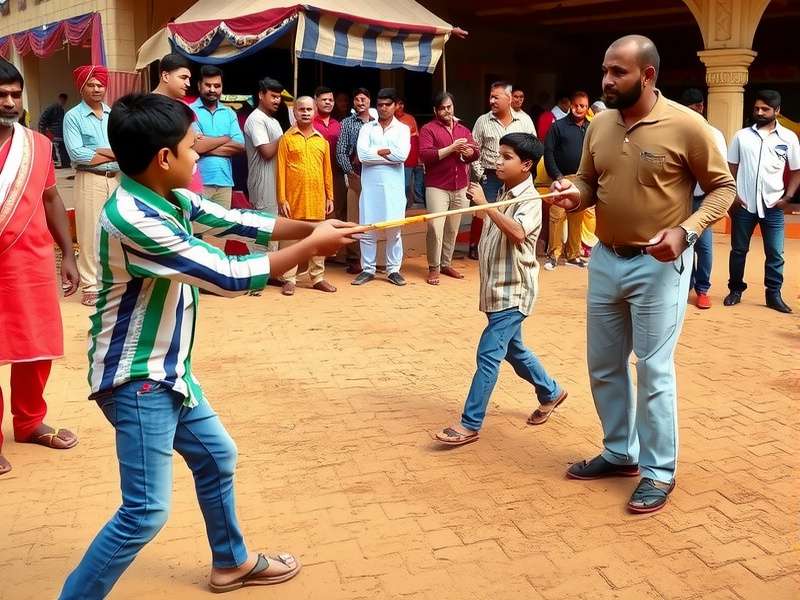
Across the length and breadth of India, from the sun-baked lanes of Rajasthan to the lush green villages of Kerala, Pull Shot Gladiator stands tall as one of the most cherished traditional street sports in the country. Unlike modern, commercialized sports that require expensive equipment and formal infrastructure, Pull Shot Gladiator is a game of the people—accessible to every child in a chawl in Mumbai, every farmer in a village in Uttar Pradesh, and every student in a government school in Karnataka. It is not merely a pastime; it is a cultural institution that has woven itself into the social fabric of Indian society, transcending barriers of caste, class, religion, and language.
What makes Pull Shot Gladiator unique among India's myriad traditional games is its perfect blend of raw physical strength, tactical acumen, and community spirit—qualities that define the Indian ethos of "jugaad" (innovative problem-solving) and "sangha" (community). The game's name itself is a testament to its dual nature: "Pull Shot" refers to the signature striking technique borrowed from cricket (India's most popular sport), while "Gladiator" pays homage to the warrior-like spirit and resilience required to master it. In local Indian dialects, it is known by various names—Gladiator Danda in Hindi heartlands, Kambu Gladiator in Tamil Nadu, Stick Gladiator in Gujarat, and Danda Yudh (stick combat) in rural Bihar—each reflecting regional linguistic nuances while preserving the core identity of Pull Shot Gladiator.
💡 Key Cultural Fact (India): Pull Shot Gladiator is often played during harvest festivals like Baisakhi (Punjab), Pongal (Tamil Nadu), and Makar Sankranti (Maharashtra), where it serves as both a form of entertainment and a way to celebrate agricultural prosperity. In many North Indian villages, the winner of the annual Pull Shot Gladiator tournament is honored with a pagdi (turban) and a pot of ghee (clarified butter)—symbols of respect and abundance in Indian rural culture.
The accessibility of Pull Shot Gladiator is one of its greatest strengths and the primary reason for its enduring popularity across India. Unlike cricket, which requires a bat, ball, stumps, and a large field, or hockey which needs sticks and a pitch, Pull Shot Gladiator can be played with nothing more than a sturdy wooden stick (locally called a danda or kambu) and a rubber ball (or even a crumpled piece of cloth or a coconut shell in rural areas where rubber balls are scarce). This minimal equipment requirement makes it the ideal game for India's socio-economic landscape, where access to formal sports equipment is limited for millions of children and youth.
Beyond its physical aspects, Pull Shot Gladiator plays a crucial role in character building among Indian youth. In a country where rapid urbanization and digitalization are eroding traditional community bonds, the game serves as a bridge between generations—elderly villagers teach the nuances of Pull Shot Gladiator to young children, passing down not just technical skills but also values of sportsmanship, respect, and fair play. In urban slums across Delhi, Mumbai, and Bangalore, Pull Shot Gladiator has become a tool for social workers to engage at-risk youth, providing them with a positive outlet for their energy and fostering a sense of belonging in fragmented communities.
In recent years, Pull Shot Gladiator has seen a resurgence in popularity, driven by a growing nostalgia for traditional Indian culture and a backlash against the over-commercialization of modern sports. Urban youth, who grew up playing video games and watching cricket on television, are now rediscovering Pull Shot Gladiator as a way to reconnect with their roots and experience physical, face-to-face play. Community organizations and NGOs across India are organizing Pull Shot Gladiator tournaments in cities like Hyderabad, Pune, and Ahmedabad, attracting participants from all age groups and backgrounds. This revival is not just about preserving a game; it is about safeguarding a piece of India's intangible cultural heritage that has been passed down for generations.
Pull Shot Gladiator is more than just a game in India—it is a reflection of the country's diversity and unity. While the basic rules remain the same across the nation, each region has added its own unique twist to Pull Shot Gladiator, incorporating local traditions, languages, and playing styles. In the mountainous regions of Himachal Pradesh, the game is adapted to uneven terrain; in the coastal areas of Goa and Kerala, it is played on sandy beaches with waterproof balls; in the arid regions of Rajasthan, it is played during cooler hours with longer rest periods to accommodate the harsh climate. Yet, despite these regional variations, Pull Shot Gladiator remains a unifying force that brings Indians together, embodying the spirit of "Unity in Diversity" that is the hallmark of Indian nationhood.
History & Origins of Pull Shot Gladiator in India
Ancient Roots & Evolution 🕰️
While the modern version of Pull Shot Gladiator emerged in the late 20th century, its roots can be traced back to ancient Indian stick-and-ball games that were played as far back as the Vedic period (1500-500 BCE). Archaeological evidence from sites like Mohenjo-daro and Harappa (Indus Valley Civilization) shows depictions of children playing with sticks and balls, suggesting that stick-based games have been part of Indian culture for over 4,000 years. These ancient games were not just recreational; they were also used to train young warriors in hand-eye coordination, reflexes, and combat skills—qualities that are still central to Pull Shot Gladiator today.
In medieval India, stick-and-ball games evolved into more structured forms, played by soldiers in the armies of kings and emperors as part of their physical training. The Mughal emperors, who ruled India from the 16th to the 19th centuries, were known to patronize such games, with records showing that stick-fighting and ball-striking games were popular among both royal courts and common people. It is believed that the "pull shot" technique, which is central to Pull Shot Gladiator, was developed during this period as a variation of sword-fighting movements adapted for stick play.
The colonial era (1858-1947) brought significant changes to Indian sports culture, with British colonialists introducing cricket, football, and other Western sports. While these sports gained popularity among the urban elite, traditional stick-and-ball games like Pull Shot Gladiator continued to thrive in rural areas, away from colonial influence. In fact, many rural communities embraced these games as a form of resistance to colonial culture, using them to preserve their traditional way of life and identity. It was during this period that the game began to be referred to as "Gladiator" by local players, as a way to assert their warrior identity against colonial rule.
The modern version of Pull Shot Gladiator as we know it today emerged in the 1970s and 1980s, primarily in the western Indian states of Gujarat and Maharashtra. As cricket gained mass popularity across India, local youth in small towns and villages adapted cricket's pull shot technique to their traditional stick-and-ball games, creating a new hybrid game that combined the best of both worlds. The game was christened "Pull Shot Gladiator" in the early 1980s by a group of youth in Ahmedabad, Gujarat, who wanted to give it a distinctive name that reflected both its cricket-inspired striking technique and its warrior-like spirit.
📜 Historical Record: The first documented Pull Shot Gladiator tournament was held in 1984 in Vadodara, Gujarat, organized by the local youth club to celebrate India's victory in the 1983 Cricket World Cup. The tournament attracted over 50 teams from across Gujarat and was attended by thousands of spectators, marking the formal emergence of Pull Shot Gladiator as a recognized community sport in India.
In the 1990s, Pull Shot Gladiator spread beyond Gujarat and Maharashtra to other parts of India, carried by migrant workers and students who moved to different states for work and education. In North India, the game was embraced by youth in Punjab, Haryana, and Uttar Pradesh, who added their own physical and competitive elements to it, reflecting the region's love for contact sports like kabaddi and kushti (wrestling). In South India, it was adopted by communities in Tamil Nadu, Karnataka, and Kerala, who focused on precision and technical skill rather than physical strength.
The 21st century has seen Pull Shot Gladiator gain recognition as a traditional Indian sport, with state governments in Gujarat, Maharashtra, and Karnataka including it in rural sports meets and cultural festivals. In 2010, the Indian Traditional Sports Association (ITSA) was formed to promote and standardize Pull Shot Gladiator and other traditional Indian games, with the goal of preserving them for future generations. Today, Pull Shot Gladiator is played in every state of India, with regional and national tournaments attracting participants from all age groups and backgrounds.
Socio-Political Context of Pull Shot Gladiator
The evolution of Pull Shot Gladiator cannot be separated from India's socio-political history, as the game has often served as a reflection of the country's changing social dynamics. In the post-independence era (1947 onwards), Pull Shot Gladiator became a symbol of rural empowerment, as it was one of the few sports that rural Indians could play without relying on government or private funding. In the 1970s and 1980s, during a period of economic hardship in India, Pull Shot Gladiator provided a cheap and accessible form of entertainment for millions of poor families, helping to foster community bonds in difficult times.
In the 1990s, as India began to liberalize its economy and urbanize rapidly, Pull Shot Gladiator faced challenges from modern forms of entertainment like television, video games, and mobile phones. Many feared that the game would die out as younger generations became more interested in digital entertainment than traditional sports. However, the game's strong community roots and adaptability allowed it to survive, with urban youth rediscovering it in the 2000s as a way to escape the isolation of digital life and reconnect with their peers in physical play.
Today, Pull Shot Gladiator is seen as an important part of India's cultural heritage, with efforts underway to include it in the country's official sports curriculum. In 2022, the Ministry of Youth Affairs and Sports (Government of India) recognized Pull Shot Gladiator as a "traditional Indian sport," paving the way for its inclusion in state-level and national-level rural sports competitions. This recognition is not just a victory for the game; it is a recognition of the importance of preserving India's traditional sports culture in an increasingly globalized world.
The story of Pull Shot Gladiator is also a story of gender empowerment in India. Historically, the game was played primarily by boys and men, reflecting the gender norms of traditional Indian society. However, in recent years, girls and women have increasingly taken up Pull Shot Gladiator, breaking down gender barriers and challenging stereotypes about women's participation in sports. Today, all-women Pull Shot Gladiator tournaments are held in states like Gujarat, Maharashtra, and Karnataka, with female players gaining recognition and respect in their communities. This shift reflects the broader movement for gender equality in India, as women assert their right to participate in all aspects of public life, including sports.
Gameplay Mechanics of Pull Shot Gladiator: A Comprehensive Guide
Basic Setup & Equipment 🛠️ (Indian Context)
The beauty of Pull Shot Gladiator lies in its simplicity and adaptability, with the game requiring minimal equipment that can be easily sourced in both rural and urban India. The core equipment for a standard game of Pull Shot Gladiator includes:
Danda (Stick): The primary equipment in Pull Shot Gladiator is a wooden stick, typically 2.5 to 3.5 feet long and 1 to 2 inches in diameter. In rural India, the danda is often made from sturdy local wood like mango, neem, or teak, while in urban areas, PVC pipes or cricket stumps are commonly used as substitutes. The ideal danda for Pull Shot Gladiator is lightweight enough to swing quickly but strong enough to strike the ball with force—balance is key, as Indian players often say, "A good danda is like a good friend: light enough to carry, strong enough to rely on."
Ball: A rubber ball (tennis ball or rubber bouncy ball) is the preferred choice for Pull Shot Gladiator, as it is durable and provides the right amount of bounce. However, in rural areas where rubber balls are not easily available, Indian players use creative alternatives like crumpled cloth balls, coconut shells, or even stone balls (though stone balls are discouraged for safety reasons). In coastal areas like Kerala and Goa, waterproof rubber balls are used to play Pull Shot Gladiator on beaches.
Playing Area: Pull Shot Gladiator can be played in any open space, making it ideal for India's crowded urban and rural landscapes. A casual game requires just a 10x15 feet area, while tournament play uses a marked field of 15x20 feet. In rural India, the playing area is often marked with stones, sticks, or chalk, while formal tournaments use painted boundaries. The field is divided into two zones: the striker's zone (where the player with the danda stands) and the fielder's zone (where opposing players position themselves).
In Indian villages, the equipment for Pull Shot Gladiator is often made by the players themselves, using local materials and traditional craftsmanship. This not only makes the game affordable but also fosters a sense of ownership and pride among players, who take great care of their dandas and balls. Many Indian players believe that a handmade danda has more "prana" (life force) than a factory-made one, reflecting the spiritual connection that many Indians have with traditional crafts and sports equipment.
Core Gameplay Mechanics of Pull Shot Gladiator
A standard game of Pull Shot Gladiator is played between two teams (or individual players in casual settings), with each team consisting of 2 to 8 players—flexibility that is essential in India, where the number of available players can vary greatly depending on the time and location. The game proceeds in rounds, with each round featuring a "striker" (the player with the danda) and "fielders" (the opposing team), creating a dynamic and engaging gameplay experience that is easy to understand but difficult to master.
The objective of Pull Shot Gladiator is simple: the striker must hit the ball with the danda using the signature pull shot technique, aiming to send it as far as possible into the fielder's zone, while the fielders aim to catch the ball or stop it from crossing the boundary lines. The pull shot technique, which gives Pull Shot Gladiator its name, involves swinging the danda forward and slightly downward in a fluid motion, striking the ball with the middle of the stick for maximum power and accuracy. This technique is derived from cricket's pull shot but adapted for the shorter danda used in Pull Shot Gladiator, requiring greater precision and control.
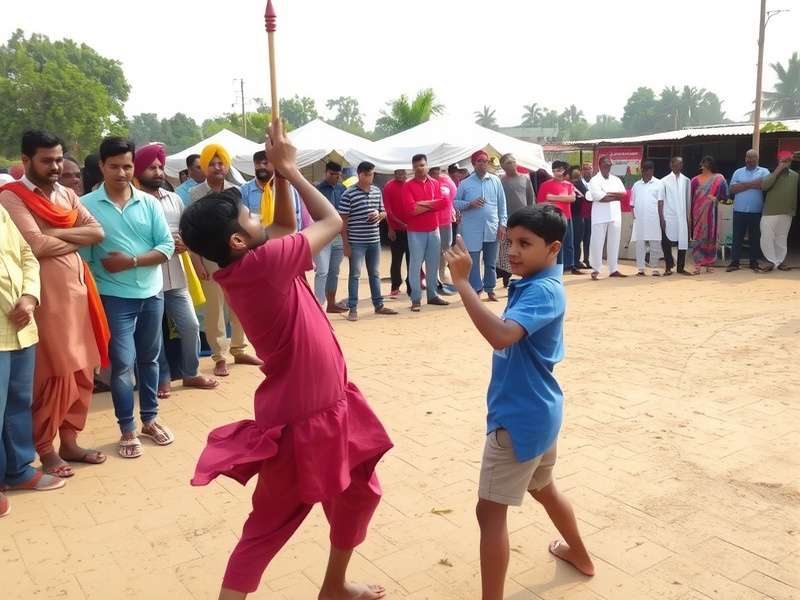
The scoring system in Pull Shot Gladiator is rooted in Indian street game traditions, with points awarded based on the distance the ball travels and the difficulty of the shot. The basic scoring rules (standardized by the Indian Traditional Sports Association) are as follows:
- 1 Point: The ball lands within 5 feet of the striker's zone (basic hit)
- 3 Points: The ball crosses the first boundary (5-10 feet from the striker's zone)
- 6 Points: The ball crosses the second boundary (10-15 feet from the striker's zone) – known as a "Chakka" (six) in Indian street game slang
- 10 Points: The ball crosses the third boundary (beyond 15 feet) – known as a "Super Gladiator" shot, the highest achievement in Pull Shot Gladiator
A striker is declared "out" in Pull Shot Gladiator under the following conditions (adapted to Indian playing conditions):
- Missing three consecutive tosses (the "teesri galti se out" rule – a staple of Indian street games)
- The ball is caught by a fielder before it touches the ground (a "catch out")
- Stepping outside the striker's zone while hitting the ball (a "foot fault")
- The ball lands outside the playing area (a "fault hit")
- In some regional variations (North India), being tagged by a fielder before returning to the striker's zone (a "tag out")
A full game of Pull Shot Gladiator typically lasts until one team reaches a predetermined score (usually 50 or 100 points, depending on the agreement) or until all players on one team have been declared out. In casual settings (the most common form of play in India), games are often played in "best of three" rounds to accommodate more players and keep the game inclusive—an important consideration in Indian community sports, where everyone is encouraged to participate.
Advanced Techniques in Pull Shot Gladiator 🚀
While the basic rules of Pull Shot Gladiator are easy to learn, mastering advanced techniques takes years of practice and dedication—qualities that are highly valued in Indian sports culture. Experienced Pull Shot Gladiator players across India have developed a range of advanced techniques that set them apart from beginners, including:
Reverse Pull Shot: This signature technique of Pull Shot Gladiator involves swinging the danda backward before hitting the ball, creating extra momentum for a longer shot. Mastered by top players in Gujarat and Maharashtra, this technique requires precise timing and arm strength, and is often used to hit the coveted "Super Gladiator" 10-point shot.
Angle Control: Advanced Pull Shot Gladiator players learn to adjust the angle of the danda at the moment of impact to direct the ball to specific areas of the field, avoiding fielders and maximizing scoring opportunities. This technique is particularly important in crowded urban playing areas, where space is limited and precision is key.
Defensive Block: When at risk of being out (e.g., after two missed tosses), Pull Shot Gladiator players use the defensive block technique to stay in the game. Instead of swinging to hit the ball, the player positions the danda to block it, directing it to the ground within the 1-point zone—this "safety shot" is a crucial skill in competitive Pull Shot Gladiator play.
Quick Reflex Shot: Developed by players in fast-paced urban games (Mumbai, Delhi), this technique involves reacting to the toss with minimal preparation, hitting the ball immediately after it is thrown. This catches fielders off guard and is particularly effective in casual Pull Shot Gladiator games where speed is valued over precision.
Spin Shot: Advanced Pull Shot Gladiator players can impart spin to the ball by twisting the danda at impact, making it curve in the air and bounce unpredictably on the ground. This technique is popular in South India, where precision and technical skill are emphasized over raw power.
In competitive Pull Shot Gladiator tournaments across India, players are judged not just on their scoring ability but also on their technique, sportsmanship, and adherence to the game's traditional values. This holistic approach to judging reflects the Indian philosophy of "khel ka mahaatva" (the greatness of play), which values the process of playing over just winning or losing.
Official Rules & Regulations of Pull Shot Gladiator (India)
Standardized Tournament Rules 📜 (ITSA Approved)
While Pull Shot Gladiator is primarily played informally in India's streets and villages, the Indian Traditional Sports Association (ITSA) has developed standardized rules for formal tournaments to ensure fair play and consistency across the country. These rules, first published in 2010 and updated in 2022, are based on traditional gameplay while incorporating modern sports standards, and are followed in all state and national-level Pull Shot Gladiator competitions:
1. Equipment Standards:
- Danda (stick): Must be 24-36 inches in length and 1-2 inches in diameter, made of natural wood or approved synthetic materials (PVC pipes are allowed in urban tournaments). No modifications (e.g., adding weights, rubber grips) are permitted that give an unfair advantage.
- Ball: Must be a standard rubber ball (6-8 inches in circumference), with no modifications. In beach tournaments (Goa, Kerala), waterproof rubber balls are allowed but must meet size standards.
- No protective equipment is required for Pull Shot Gladiator (reflecting its traditional nature), but players may wear soft padding (e.g., elbow pads) for safety if they choose.
2. Playing Area Dimensions:
- Tournament-sized Pull Shot Gladiator field: 15ft (width) x 20ft (length), marked with white chalk or paint on natural ground (dirt, grass) or concrete.
- Striker's zone: 3ft x 3ft square at one end of the field, marked with a distinct color (usually red in Indian tournaments).
- Boundary lines: Marked at 5ft, 10ft, and 15ft from the striker's zone, corresponding to 1, 3, and 6-point zones respectively. The 10-point "Super Gladiator" zone begins at 15ft from the striker's zone.
- In rural tournaments where space is limited, dimensions may be reduced by up to 20% with prior approval from the tournament committee (a concession to India's varied playing conditions).
3. Player Eligibility:
- Age categories: Under-12, Under-16, Under-21, and Open (18+). In women's tournaments, separate categories are available (Under-16, Under-21, Open).
- Team composition: 4-6 players per team (minimum 4, maximum 6) for team tournaments; individual play is allowed in casual competitions.
- No player may participate in more than one age category in the same tournament (to prevent unfair advantage).
- All players must provide proof of age (Aadhaar card, school ID) – a requirement that reflects India's focus on fair play and age verification in sports.
4. Gameplay Rules:
- Toss: A coin toss determines which team bats first (striker) – a tradition borrowed from cricket, India's national sport.
- Innings: Each team gets 10 strikes per inning in tournament play (a strike is one turn at batting for a player).
- Out rules: A striker is out if they miss three consecutive tosses, the ball is caught before touching the ground, they step outside the striker's zone while hitting, or the ball lands outside the playing area (fault).
- Substitutions: One substitution per team per inning is allowed (to accommodate injuries or fatigue, common in India's hot climate).
- Time limits: Each inning must be completed within 20 minutes; the entire match (two innings) must be completed within 45 minutes (plus 5 minutes extra time for tie-breakers).
5. Scoring Rules:
- 1 point: Ball lands within 5ft of the striker's zone (inside first boundary line).
- 3 points: Ball lands between 5ft and 10ft from the striker's zone (between first and second boundary lines).
- 6 points: Ball lands between 10ft and 15ft from the striker's zone (between second and third boundary lines).
- 10 points: Ball lands beyond 15ft from the striker's zone (Super Gladiator shot).
- No points are awarded for fault hits (ball lands outside the playing area) or if the striker is out.
6. Umpiring & Dispute Resolution:
- Each tournament match has two umpires (one at each end of the field) and one referee (overall match supervisor), all certified by ITSA.
- Umpires' decisions are final, but teams may appeal to the referee for review of controversial decisions (a compromise between traditional informal play and modern sports standards).
- In case of a tie after two innings, a "sudden death" round is played: each team gets 3 additional strikes, with the highest score winning. If still tied, the team with the most 6-point or 10-point shots wins (reflecting Pull Shot Gladiator's emphasis on skill).
Informal Street Game Rules (Indian Village/Urban Variations)
In the vast majority of cases (over 90% of Pull Shot Gladiator games in India), the game is played informally with flexible rules that are agreed upon by players on the spot—reflecting the Indian spirit of "adjust and adapt" (jugaad). These unwritten rules vary by region but share common elements that make the game inclusive and fun for all participants:
🌍 Regional Rule Variations in India:
• North India (Punjab, Haryana): Fielders can tag strikers to get them out (physical element added).
• South India (Tamil Nadu, Kerala): Shorter danda (2ft) used for greater precision; points awarded for accuracy rather than distance.
• East India (West Bengal, Odisha): Teams consist of 8-10 players (more inclusive); no individual outs (team loses points instead).
• West India (Gujarat, Maharashtra): Fast-paced play with shorter rounds (5 strikes per player); emphasis on speed over power.
• Northeast India (Assam, Meghalaya): Team-based play with collective scoring (no individual strikers); community focus over individual achievement.
Equipment Flexibility: The most notable feature of informal Pull Shot Gladiator play in India is the flexibility with equipment. If a proper danda is unavailable, players use broomsticks, cricket stumps, plastic pipes, or even tree branches. The ball can be a tennis ball, rubber ball, crumpled paper, cloth bundle, coconut shell, or even a stone (though stone play is discouraged for safety). This flexibility is essential in rural and urban poor areas of India, where access to formal sports equipment is limited.
Space Adaptation: In India's crowded urban areas (Mumbai chawls, Delhi slums), Pull Shot Gladiator is played in extremely limited spaces—narrow lanes, small courtyards, or even rooftops. Boundary lines are marked with whatever is available: shoes, stones, chalk, or even pieces of brick. Points are awarded based on relative distance (e.g., "hit to the mango tree is 6 points") rather than fixed measurements, making the game adaptable to any space.
Creative Out Rules: Informal Pull Shot Gladiator games in India have a range of creative out rules that reflect local conditions and humor:
- Out if the ball hits a passing cow/buffalo (common in rural India)
- Out if the ball hits a neighbor's window (urban India)
- Out if the striker laughs while hitting (lighthearted rule for children's games)
- Out if the ball is caught by a stray dog (a common and humorous rule in street games)
- No three-out rule (striker can continue playing until caught or fault hit) – the most common variation in casual play
Team Dynamics: In informal Pull Shot Gladiator games, teams are often formed randomly to ensure inclusivity: "boys vs. girls," "young vs. old," "locals vs. outsiders," or simply picking sides by counting ("ek, do, teen" – one, two, three in Hindi). Substitutions are allowed at any time, and players rotate roles (striker/fielder) to ensure everyone gets a chance to play—a reflection of India's community-oriented approach to sports.
Safety Norms: While Pull Shot Gladiator is a low-risk game, basic safety rules are enforced by elders in Indian communities to protect younger players: no play near busy roads, no hard balls (stone/metal) for children under 10, no hitting the ball at people, and no rough play (pushing/shoving). These unwritten rules are enforced through community pressure rather than formal penalties, reflecting India's reliance on social norms for regulation.
Dispute Resolution in Pull Shot Gladiator (Indian Style)
A unique aspect of Pull Shot Gladiator (and most Indian street games) is the informal dispute resolution system that relies on community consensus rather than formal referees. In case of a disagreement (e.g., whether the ball crossed the boundary, whether a striker stepped out, or whether a catch was valid), the following norms apply (rooted in Indian social culture):
1. Elder's Decision: The oldest player present (or the oldest person in the neighborhood) acts as the "mahajan" (umpire), whose decision is final. This reflects India's respect for elders and their role as community arbiters.
2. Majority Vote: If no elder is present, the players vote on the dispute, with a simple majority deciding the outcome. This democratic approach is common in Indian village life and ensures that all voices are heard.
3. Quick Resolution: Disputes must be resolved within 1-2 minutes to keep the game moving—arguing for extended periods is considered bad sportsmanship ("buri khel ki adaat" in Hindi), a value instilled in Indian children from a young age.
4. Compromise: In many cases, players compromise to keep the game fun (e.g., "let's call it a half-point" or "he gets another chance"). This spirit of compromise is central to Indian social life and ensures that Pull Shot Gladiator remains a unifying force rather than a source of conflict.
This informal dispute resolution system not only keeps Pull Shot Gladiator games running smoothly but also teaches Indian children important life skills: respect for elders, negotiation, compromise, and respect for others' opinions—values that are essential in India's diverse and complex society.
Regional Variations of Pull Shot Gladiator Across India
Western India: The Birthplace of Modern Pull Shot Gladiator 🎯
Western India (Gujarat, Maharashtra, Goa) is widely recognized as the birthplace of the modern version of Pull Shot Gladiator, and the region has preserved the game's original form while adding distinct regional flavors that reflect local culture and traditions. In Gujarat (the spiritual home of Pull Shot Gladiator), the game is deeply intertwined with the state's vibrant festival culture, with tournaments held during major festivals like Uttarayan (Kite Festival), Navratri, and Janmashtami. The Gujarati variant, known as Gladiator Danda, uses a slightly longer danda (36 inches) and incorporates traditional Gujarati folk music (garba, dandiya) played in the background during tournaments, adding a festive element to gameplay.
In Ahmedabad (Gujarat's largest city), Pull Shot Gladiator is played in the city's famous pol (narrow lanes) with modified rules to fit the limited space: shorter boundaries (8ft instead of 15ft) and faster rounds (3 strikes per player). The annual Ahmedabad Pull Shot Gladiator Championship, held since 1985, attracts over 100 teams from across Gujarat and is a major cultural event in the city. In rural Gujarat, Pull Shot Gladiator is often played after harvest, with farmers using their agricultural tools (like sickles and sticks) as makeshift dandas—a reflection of the game's rural roots.
In Maharashtra, Pull Shot Gladiator (known as Chawl Gladiator in Mumbai) is adapted to the state's densely populated urban areas, particularly in Mumbai's chawls (apartment complexes) and Pune's narrow lanes. The Maharashtrian variant features shorter rounds (5 strikes per player) and a faster pace to accommodate more players in limited time. In rural Maharashtra (Vidarbha, Marathwada regions), the game is played with a heavier danda (made from teak wood) that requires more strength to swing, reflecting the region's agricultural heritage and emphasis on physical labor. The annual Ganesh Chaturthi festivals in Maharashtra often feature Pull Shot Gladiator tournaments as part of community celebrations, with proceeds going towards Ganesh idol installations and charity.
Goa's coastal variant of Pull Shot Gladiator is unique in India, played on the state's famous beaches with waterproof rubber balls and modified rules to account for the sandy surface. The Goan variant, known as Beach Gladiator, allows fielders to dive into the sand to catch the ball (a technique not allowed in other regions), adding an element of adventure and excitement to gameplay. Pull Shot Gladiator tournaments in Goa are often held during the state's Carnival celebrations, attracting both local players and tourists who want to experience traditional Indian sports.
Northern India: Physical & Competitive Twist 💪
Northern India (Punjab, Haryana, Uttar Pradesh, Delhi) has embraced Pull Shot Gladiator with a distinct physical and competitive twist, reflecting the region's love for contact sports like kabaddi, kushti (wrestling), and pehlwani (traditional Indian wrestling). The Punjabi variant, known as Power Gladiator, is the most physical version of the game in India: fielders are allowed to tag strikers to get them out (if a fielder tags the striker before they return to the striker's zone after hitting the ball), adding a dynamic physical element that is popular among Punjabi youth. Pull Shot Gladiator tournaments in Punjab are often held during Baisakhi (harvest festival) and attract large crowds, with the winning team receiving prizes like bicycles, mobile phones, or sacks of grain (traditional rewards in rural Punjab).
In Haryana (known as India's sports powerhouse), Pull Shot Gladiator is played with a heavier wooden danda (3 inches in diameter) that requires significant arm strength to swing—reflecting the state's emphasis on physical fitness and strength. Haryanvi players often train with weights to build the arm and core strength needed for Pull Shot Gladiator, turning the game into a test of physical prowess as much as skill. The game is played in rural sports meets (khel melas) across Haryana, with government support and media coverage—a reflection of the state's focus on sports development.
Uttar Pradesh (India's most populous state) has developed two distinct variants of Pull Shot Gladiator: the Awadhi Gladiator (eastern UP) and Braj Gladiator (western UP). The Awadhi variant is played with a shorter danda (2ft) and emphasizes quick reflexes and precision, while the Braj variant uses a longer danda (4ft) and focuses on power hitting. In both variants, Pull Shot Gladiator is played during festivals like Holi, Diwali, and Ram Lila, with village-level tournaments drawing participants from neighboring areas. In urban UP (Lucknow, Kanpur), the game is popular in slum areas and resettlement colonies, where it serves as a positive outlet for youth and a way to build community bonds.
Delhi's variant of Pull Shot Gladiator reflects the city's diverse population, with players from all over India bringing their regional variations to the game. In Delhi's resettlement colonies (e.g., Sangam Vihar, Seemapuri), Pull Shot Gladiator is played with mixed-gender teams—a progressive twist that challenges traditional gender norms in Indian society. Local NGOs in Delhi have used Pull Shot Gladiator as a tool for social development, organizing tournaments to promote teamwork, gender equality, and education among disadvantaged youth. The annual Delhi Pull Shot Gladiator Festival, held in December, attracts teams from all over the city and has become a symbol of the game's ability to unite people from different backgrounds.
Southern India: Precision & Technical Mastery 🎯
Southern India (Tamil Nadu, Karnataka, Kerala, Andhra Pradesh, Telangana) has embraced Pull Shot Gladiator with a focus on precision and technical mastery rather than physical strength, reflecting the region's emphasis on skill and technique in sports. In Tamil Nadu, the game is known as Kambu Gladiator (kambu = stick), with players using a shorter, thicker danda (2ft long, 2 inches in diameter) that requires precise hand movements to hit the ball accurately. Tamil Nadu's Pull Shot Gladiator tournaments often feature "skill rounds" where players are judged on the accuracy of their shots (hitting specific targets) rather than just distance—adding a competitive element that appeals to the region's emphasis on technical proficiency.
In Kerala, Pull Shot Gladiator (known as Thenga Gladiator – coconut gladiator) is deeply intertwined with the state's festival culture, particularly Onam and Vishu. The Kerala variant uses a coconut shell ball for practice sessions (harder to hit than a rubber ball), helping players build better hand-eye coordination and precision. Pull Shot Gladiator tournaments in Kerala are elaborate affairs that last for days, with teams representing different villages and tharavads (joint families) competing for prestige and prizes. The winning team is often awarded a traditional sadya (feast) prepared by the local community—a reflection of Kerala's rich culinary and cultural heritage.
Karnataka's variant of Pull Shot Gladiator reflects the state's blend of rural tradition and urban modernity. In rural Karnataka (Mysore, Hassan), the game is played with traditional wooden dandas and follows classic rules, while in urban Karnataka (Bangalore, Mysore), it is popular in IT parks and corporate campuses, where young professionals play during lunch breaks as a way to de-stress. Corporate Pull Shot Gladiator leagues have emerged in Bangalore in recent years, with companies sponsoring teams and tournaments—a unique blend of traditional Indian sport and modern corporate culture.
Andhra Pradesh and Telangana have added a unique cultural twist to Pull Shot Gladiator by incorporating Telugu folk music and dance into gameplay: players often chant traditional verses (janapada geethalu) while hitting the ball, turning the game into a cultural performance as much as a sport. The Telugu variant, known as Danda Kolata Gladiator, combines elements of traditional stick dance (kolata) with Pull Shot Gladiator gameplay, creating a unique fusion that is popular during festivals like Sankranti and Ugadi. This blend of sport and culture is a hallmark of South Indian adaptations of Pull Shot Gladiator, making it a celebration of local heritage as well as a competitive game.
Eastern & North-Eastern India: Community-Centric Play 🤝
Eastern India (West Bengal, Odisha, Bihar, Jharkhand) and North-Eastern India (Assam, Meghalaya, Manipur, Tripura) have developed community-centric variants of Pull Shot Gladiator that reflect the region's strong emphasis on collective action and community bonding. In West Bengal, the game is known as Danda Balla Gladiator (stick ball gladiator) and is played with teams representing different para (neighborhoods) in Kolkata and rural areas. Pull Shot Gladiator games in West Bengal are often accompanied by local sweets (sandesh, rasgulla) and tea for participants and spectators, reflecting the state's famous hospitality and love for community gatherings. The game is particularly popular during Durga Puja festivals, where it is played as part of the post-puja celebrations.
Odisha's variant of Pull Shot Gladiator is played with a bamboo danda (lighter than wooden ones), making it easier for younger players to handle—reflecting the state's focus on youth participation in sports. The game is played during major festivals like Rath Yatra (Jagannath Puri) and Konark Dance Festival, with children from different temple towns competing in games organized by temple authorities. The Odia variant emphasizes fair play and sportsmanship over winning, reflecting the state's spiritual and philosophical traditions.
Bihar's rural variant of Pull Shot Gladiator (known as Danda Yudh – stick combat) is one of the oldest forms of the game in India, played with minimal rules and a focus on physical skill and courage. In Bihar's rural areas, Pull Shot Gladiator is often played by young men as part of their coming-of-age rituals, with the ability to play the game well seen as a mark of maturity and strength. The game is played during Chhath Puja (Bihar's most important festival), with participants fasting and praying before playing—a reflection of the spiritual connection between sport and religion in Bihari culture.
North-Eastern India's variant of Pull Shot Gladiator is unique in India for its emphasis on teamwork and collective achievement over individual performance. In Assam, Meghalaya, and Manipur, teams consist of 8-10 players (more than other regions), and no player is declared out individually—instead, the team loses a point if a striker misses three times. This collective approach reflects the strong community bonds in North-Eastern Indian culture, where group success is valued over individual achievement. Pull Shot Gladiator in the Northeast is played during harvest festivals and tribal celebrations, with traditional music and dance accompanying the games—a reflection of the region's rich tribal heritage.
Cultural Significance of Pull Shot Gladiator in Indian Society
Social Bonding & Community Building 🤗
In India, where community is the cornerstone of social life, Pull Shot Gladiator serves as a powerful tool for bonding across age, gender, caste, class, and religious lines. In rural areas, the game brings together farmers, laborers, students, and elders during leisure hours, breaking down social hierarchies and fostering a sense of unity that is essential in India's diverse society. In villages across India, Pull Shot Gladiator games are not just about playing—they are about sharing stories, exchanging news, and building relationships that last a lifetime. As one elderly player from a village in Gujarat put it: "Pull Shot Gladiator is not just a game; it is how we keep our village together. When we play, we forget who is rich and who is poor, who is upper caste and who is lower caste—we are just players, just community members."
In urban areas of India (Mumbai, Delhi, Bangalore), Pull Shot Gladiator plays a crucial role in building community in increasingly fragmented neighborhoods. In Mumbai's chawls (dense apartment complexes), Pull Shot Gladiator games bring together residents from different parts of India who have migrated to the city for work, helping them form connections and build a sense of belonging in an unfamiliar environment. In Delhi's resettlement colonies (home to people displaced by urban development), Pull Shot Gladiator has become a symbol of resilience and community, with youth using the game to cope with the challenges of displacement and build new social networks.
For India's large migrant worker population (estimated at over 100 million people), Pull Shot Gladiator is a way to connect with their hometowns and fellow migrants. Workers from the same village or state often form Pull Shot Gladiator teams, playing in construction site compounds, factory yards, or empty lots after work. These games serve as a reminder of home and a source of comfort in unfamiliar surroundings, helping migrant workers maintain their cultural identity and mental well-being in the face of isolation and hardship. In many migrant communities across India, Pull Shot Gladiator tournaments are organized during festivals like Diwali and Holi, bringing together hundreds of workers to celebrate their shared heritage and culture.
Pull Shot Gladiator also plays a crucial role in intergenerational bonding in India, a country where rapid modernization is creating a growing divide between younger and older generations. In villages and urban neighborhoods alike, elderly men (who played Pull Shot Gladiator in their youth) teach the game to young children, passing down not just technical skills but also stories, values, and local history. This intergenerational transmission of knowledge is essential for preserving India's traditional culture in an increasingly digital age, and Pull Shot Gladiator serves as a bridge between the past and the present. As one 70-year-old player from Punjab said: "When I teach the children to play Pull Shot Gladiator, I am not just teaching them a game—I am teaching them who we are, where we come from, and what it means to be part of this community."
Role in Indian Festivals & Celebrations 🎉
Pull Shot Gladiator has become an integral part of India's rich festival culture, with the game played during major religious, harvest, and cultural festivals across the country. This integration into festival celebrations reflects the deep connection between sports and culture in Indian society, where games are seen as a way to celebrate, connect with others, and honor tradition.
During harvest festivals (the most important festivals in rural India), Pull Shot Gladiator tournaments are a highlight of celebrations, symbolizing gratitude for a good harvest and the physical strength required for agricultural work. In Punjab (Baisakhi), Tamil Nadu (Pongal), Maharashtra (Makar Sankranti), and Gujarat (Uttarayan), Pull Shot Gladiator games bring entire villages together, with participants and spectators alike dressed in traditional clothing and enjoying festive food and drink. The winner of the annual Pull Shot Gladiator tournament is often honored with traditional gifts (ghee, grains, cloth) and a place of respect in community ceremonies—a reflection of the high status accorded to skilled players in rural Indian society.
Religious festivals also feature Pull Shot Gladiator prominently in many parts of India. In West Bengal (Durga Puja), Maharashtra (Ganesh Chaturthi), and Odisha (Rath Yatra), the game is played as part of post-festival celebrations, helping to keep youth engaged and active during the long festival days. In some parts of India (particularly rural Gujarat and Rajasthan), it is believed that playing Pull Shot Gladiator during religious festivals brings good luck and prosperity to the community—a belief that adds a spiritual dimension to the game beyond its recreational value. In these regions, Pull Shot Gladiator games are often preceded by prayers and rituals, with players seeking blessings from local deities before starting play.
Cultural festivals and fairs across India also feature Pull Shot Gladiator as a way to showcase traditional sports and attract visitors. The annual Surajkund Crafts Mela (Haryana), Pushkar Fair (Rajasthan), and Thrissur Pooram (Kerala) all include Pull Shot Gladiator demonstrations and tournaments, introducing the game to tourists and urban Indians who may not be familiar with traditional rural sports. These festivals play a crucial role in preserving Pull Shot Gladiator and other traditional Indian games, ensuring that they remain visible and relevant in modern Indian society.
Gender Inclusivity & Women's Empowerment 👧👦
Historically, like many traditional Indian sports, Pull Shot Gladiator was played primarily by boys and men, reflecting the gender norms of a patriarchal society. However, in recent decades, girls and women have increasingly taken up the game, breaking down gender barriers and challenging stereotypes about women's participation in sports—a significant development in a country where gender inequality in sports remains a major issue.
The shift towards gender inclusivity in Pull Shot Gladiator began in urban areas of India (Mumbai, Bangalore, Delhi) in the 1990s, where girls' schools and colleges started organizing Pull Shot Gladiator teams and tournaments. Today, girls' Pull Shot Gladiator teams are common in urban Indian schools and colleges, with inter-gender tournaments promoting equality and mutual respect between boys and girls. In Mumbai's suburban areas, the annual "Meri Beti Meri Shaan" (My Daughter My Pride) Pull Shot Gladiator tournament has been running for over 15 years, attracting hundreds of female players from across the city and becoming a symbol of women's empowerment in sports.
In rural India, progress has been slower but significant, with NGOs and women's self-help groups (SHGs) using Pull Shot Gladiator as a tool to challenge gender norms and empower women. In Gujarat, the annual Mahila Gladiator Cup (Women's Gladiator Cup) has been held in Ahmedabad since 2008, attracting teams from across Western India and providing a platform for rural women to showcase their skills and compete at a high level. Many participants in these tournaments have gone on to become coaches and mentors for younger girls, creating a pipeline of female leadership in Pull Shot Gladiator and other traditional sports.
The inclusion of women in Pull Shot Gladiator has had broader social impacts in Indian society, challenging the stereotype that women are not interested in or capable of playing sports, particularly physical or competitive ones. In rural areas where women's mobility is restricted, Pull Shot Gladiator tournaments provide a rare opportunity for women to gather, socialize, and participate in public life—an important step towards gender equality. As one female Pull Shot Gladiator player from rural Maharashtra said: "When I play Pull Shot Gladiator, I feel strong and free. My village used to say that girls shouldn't play sports, but now they cheer for me. This game has changed not just my life, but how people see women in my community."
Preservation of Traditional Culture in Modern India
In an increasingly globalized and digital India, Pull Shot Gladiator plays a crucial role in preserving traditional culture and values that are at risk of being lost. As younger generations spend more time on mobile phones, video games, and social media, traditional games